Modified PP for Flame-Retardant Electrical Components
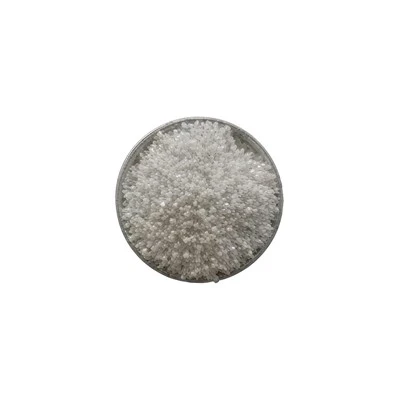
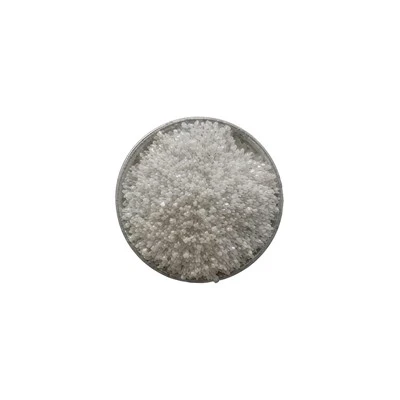
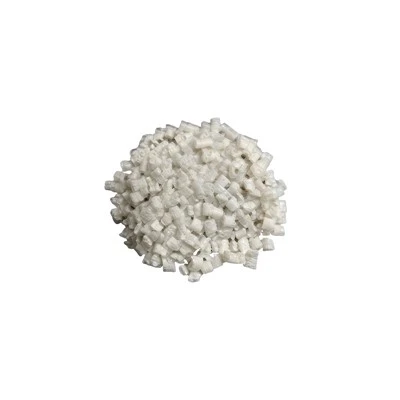
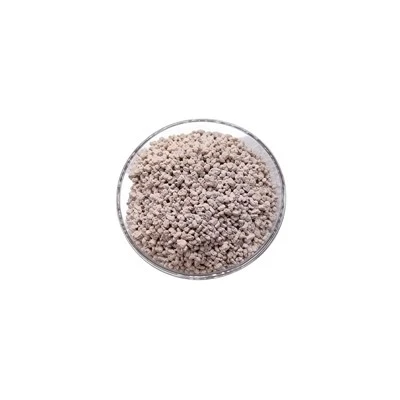
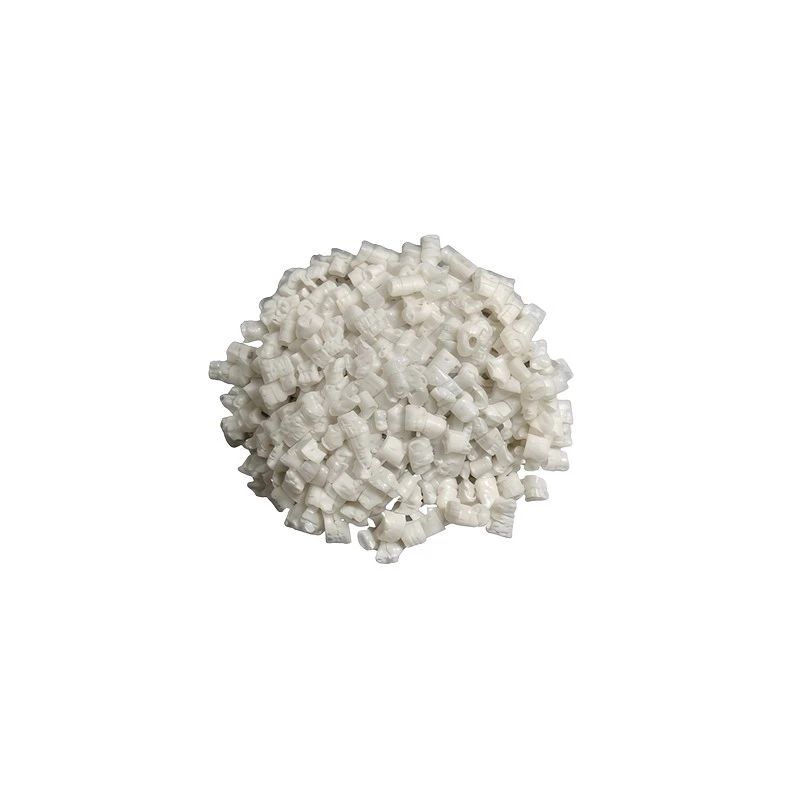
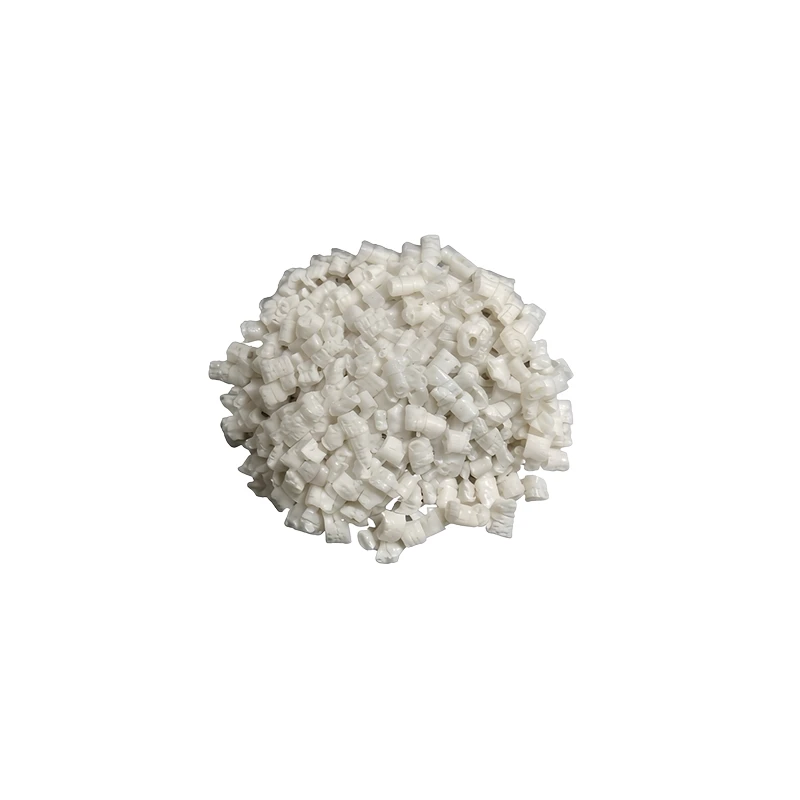
Flame Retardant Polypropylene Compound is a flame-retardant modified PP material intended for electrical and automotive components that need flame protection together with structural performance and injection molding capability.
The typical grade is PP 403FR.
Typical applications include battery housings, deflection coils, electrical accessories, electrical housings, and automotive bumper-related structures.
PP offers practical injection molding adaptability. With flame-retardant modification, it can be used for parts where flame protection, structural support, and batch molding efficiency need to be considered together.
The supplied information describes the product as having good flame-retardant performance and electrical properties suitable for electrical components.
Mechanical and Thermal Properties of PP 403FR
PP 403FR has a typical density of 1.18 g/cm³. Its molding shrinkage range is 0.60%–0.80%.
Tensile strength at break is 26 MPa, while elongation at break is 15%. Flexural strength is 46 MPa, and flexural modulus is 2800 MPa.
The notched Izod impact strength is 8 kJ/m².
Under a load of 0.45 MPa, the heat deflection temperature is 125°C. Under a load of 1.82 MPa, it is 90°C.
The available product information does not provide a specific UL-94 rating for this grade. For this reason, the required flame-retardant level should be confirmed according to the actual project rather than assigning an unsupported rating to Flame Retardant Polypropylene Compound.
Confirm the Required Flame Level During Inquiry
Battery housings need to balance housing structure, dimensional fit, and flame-retardant requirements.
Deflection coils and other electrical components should be evaluated according to the electrical environment, operating temperature, and molded-part thickness.
For electrical housings with snap-fits, screw bosses, or thin-wall areas, melt filling and localized stress should also be checked during molding trials.
Buyers can specify the required flame-retardant target, part dimensions, long-term operating temperature, assembly method, and relevant testing requirements during inquiry.
Samples can then be evaluated for flame-retardant performance, surface quality, dimensional condition, and mechanical strength.
This is particularly important because the supplied material information does not define one specific UL-94 rating for PP 403FR.
Flame-Retardant Formulation and Process Support
Diyou New Material has formulation design, extrusion production, and performance verification capabilities for flame-retardant modified plastics.
For flame-retardant PP, the technical team can work on the balance between the flame-retardant system and the mechanical performance of the PP material.
Quality management covers research and development, purchasing, production, inspection, and after-sales processes. Raw material receiving, manufacturing, and finished-product release are managed through standardized control and traceability procedures.
For batch purchases of Flame Retardant Polypropylene Compound, technical support can include grade selection, trial molding, injection parameter adjustment, and analysis of processing issues according to the actual structure of electrical or automotive parts.
Product Specifications
|
Parameter |
Specification |
|
Material / Typical Grade |
Flame Retardant PP, PP 403FR |
|
Density |
1.18 g/cm³ |
|
Molding Shrinkage |
0.60%–0.80% |
|
Flexural Modulus |
2800 MPa |
|
Heat Deflection Temperature at 0.45 MPa |
125°C |
Hot Tags: flame retardant polypropylene compound, China flame retardant polypropylene compound manufacturers, suppliers, factory