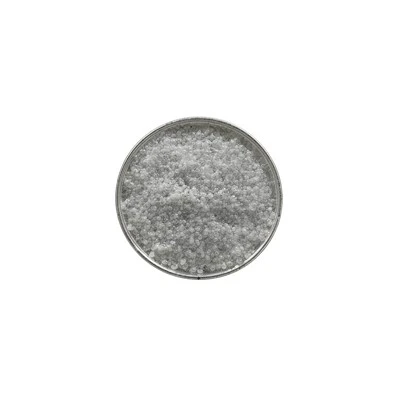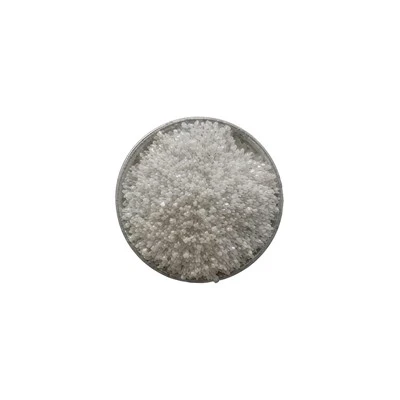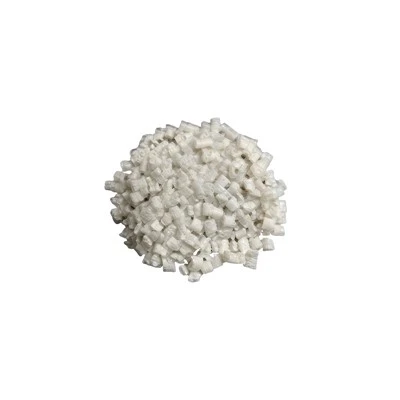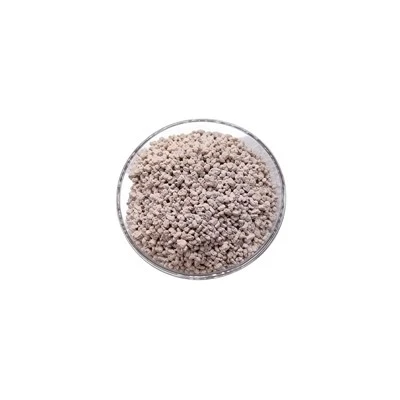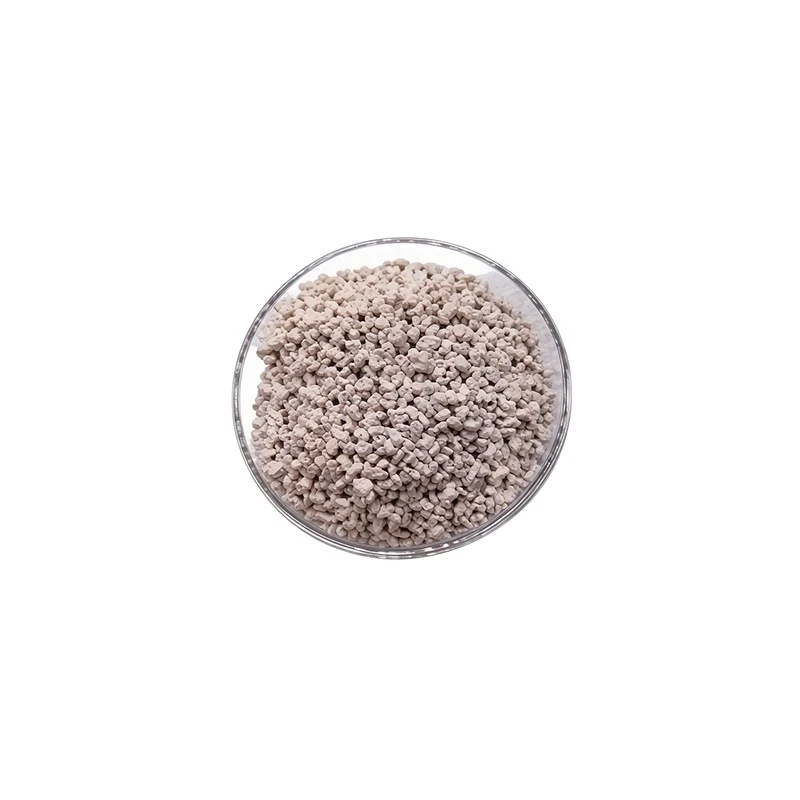
Reinforced PPS for High-Temperature Structural Parts
Engineering plastic compounds in this product refer to reinforced polyphenylene sulfide materials developed for applications requiring high-temperature resistance, flame resistance, electrical insulation, chemical resistance, and high mechanical strength.
The typical reinforced grade is 901G6.
This material can be used for motor components, terminals, igniters, piston rings, seals, and other structural parts. These applications may involve elevated temperatures, electrical environments, mechanical loads, or more complex chemical conditions.
PPS is particularly suitable for applications where a component needs to retain structural rigidity under relatively demanding working conditions. Reinforcement further improves tensile strength, flexural strength, and dimensional stability, making the material useful for molded parts that require both thermal and mechanical performance.
High Rigidity, Heat Resistance and Electrical Insulation
Grade 901G6 has a density of 1.66 g/cm³ and a molding shrinkage range of 0.25%–0.50%.
Its tensile strength at break reaches 170 MPa. Elongation at break is 2%, while flexural strength reaches 240 MPa. The flexural modulus is 9610 MPa, showing the high rigidity of the reinforced PPS structure.
Notched Izod impact strength is 12 kJ/m².
The heat deflection temperature reaches 267°C, and the material has a UL-94 V-0 flame-retardant rating.
Electrical properties listed in the product data include a volume resistivity of 10¹⁴Ω·cm, dielectric strength of 16 kV/mm, and dielectric constant of 3.8.
These values allow engineering plastic compounds to be evaluated using defined mechanical, thermal, flame-retardant, and insulating parameters.
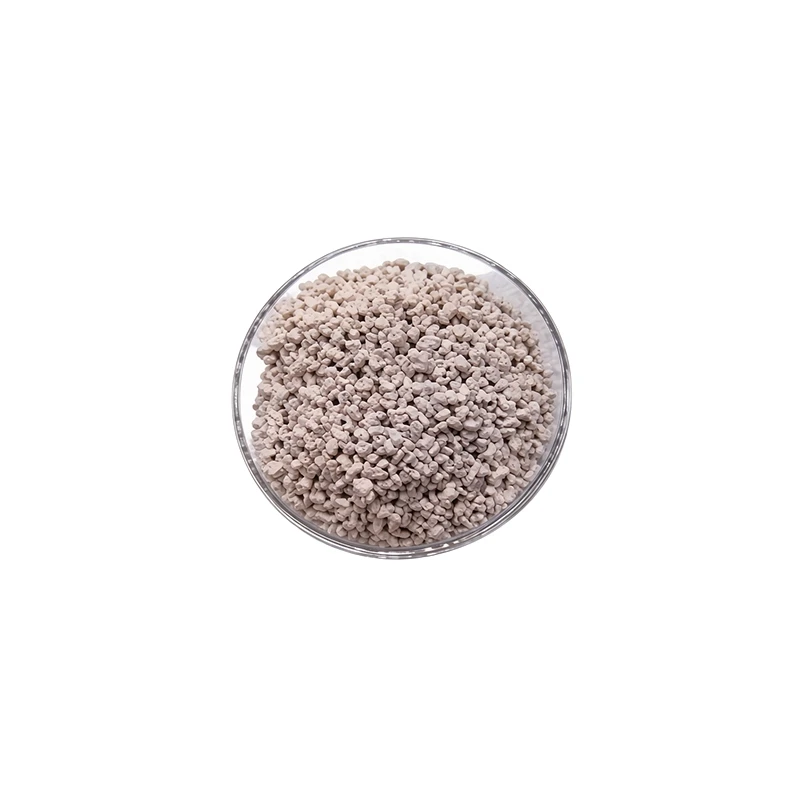
Match the Material to the Actual Component
Motor components and terminals may need to maintain structural stability under temperature variation, electrical conditions, and assembly pressure.
Igniter parts place greater emphasis on heat resistance, flame resistance, and electrical insulation. Piston rings and sealing components should be selected according to friction, chemical media, and dimensional accuracy.
Because reinforced PPS has high rigidity, part design and molding conditions should also be considered carefully. Corners, reinforcing ribs, and gate positions may influence molded-part integrity when local stress is present.
Before volume purchasing, buyers can provide part drawings, operating temperature, mechanical requirements, electrical requirements, and injection molding conditions. Trial molding can then help confirm whether the selected material is compatible with the component design.
PPS Modification and Production Control
Diyou New Material has modification capabilities covering reinforced, impact-modified, and conductive PPS materials.
Its production process includes formulation design, raw material handling, twin-screw extrusion modification, and performance testing. For high-temperature electrical components, the technical team can support grade selection according to heat deflection temperature, mechanical strength, flame resistance, and insulation requirements.
Production and quality management follow an ISO 9001 quality management system. Raw materials, processing conditions, and test results are managed through traceable procedures.
For buyers sourcing engineering plastic compounds for continuous production, this provides technical support for material selection, customized performance requirements, sample trials, and long-term supply communication.
Product Specifications
|
Parameter |
Specification |
|
Material / Typical Grade |
Reinforced PPS, 901G6 |
|
Tensile Strength at Break |
170 MPa |
|
Flexural Modulus |
9610 MPa |
|
Heat Deflection Temperature |
267°C |
|
Flame Retardant Rating |
UL-94 V-0 |
Hot Tags: engineering plastic compounds, China engineering plastic compounds manufacturers, suppliers, factory