Flame-Retardant PC/ABS for Electrical and Structural Components
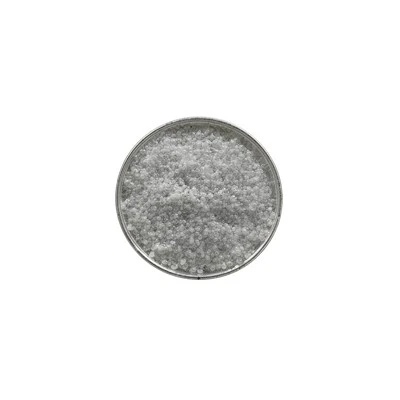
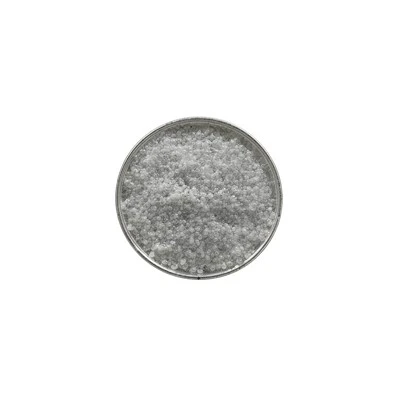
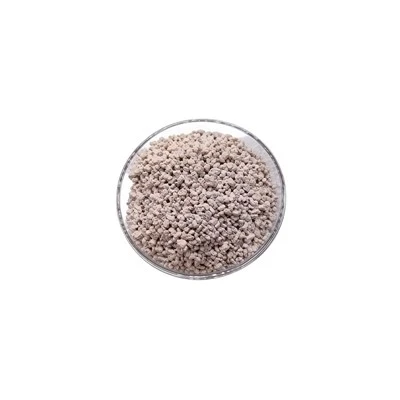
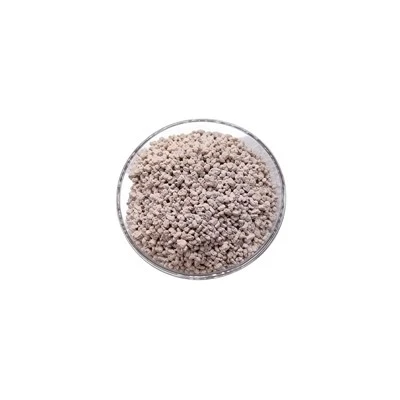
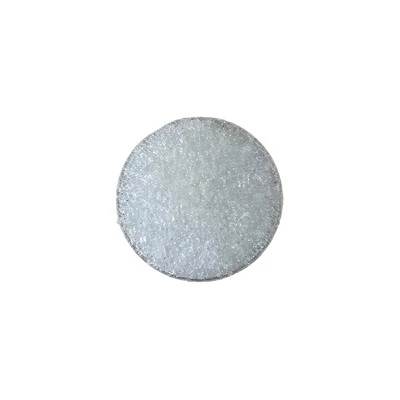
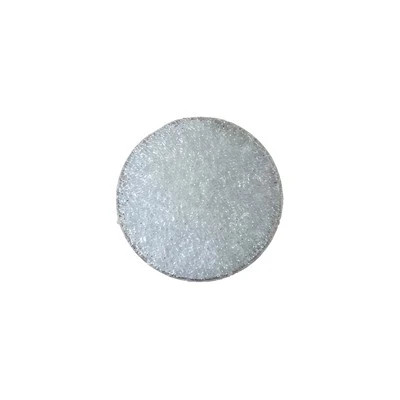
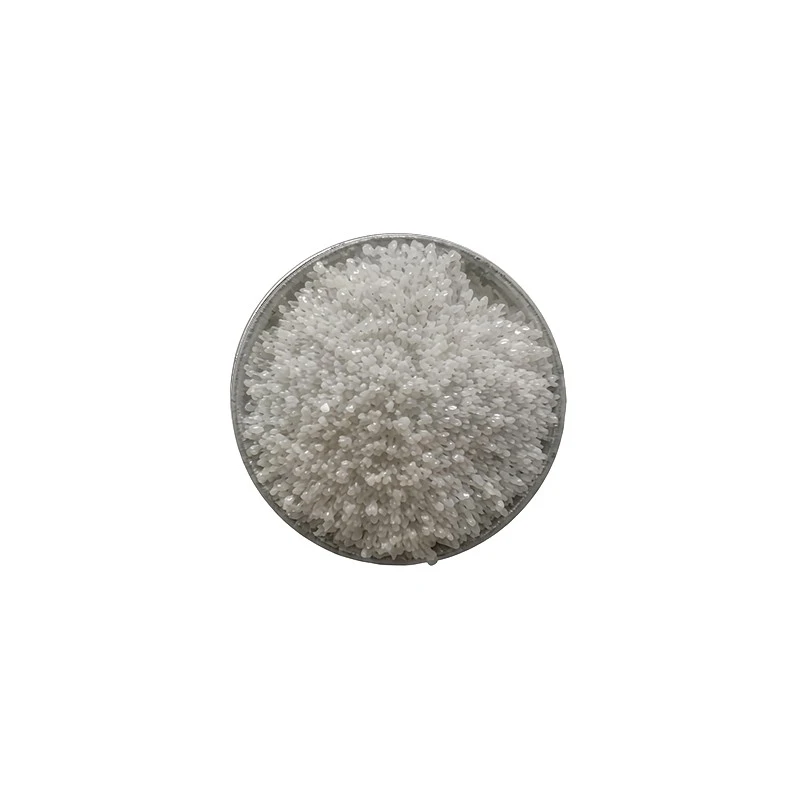
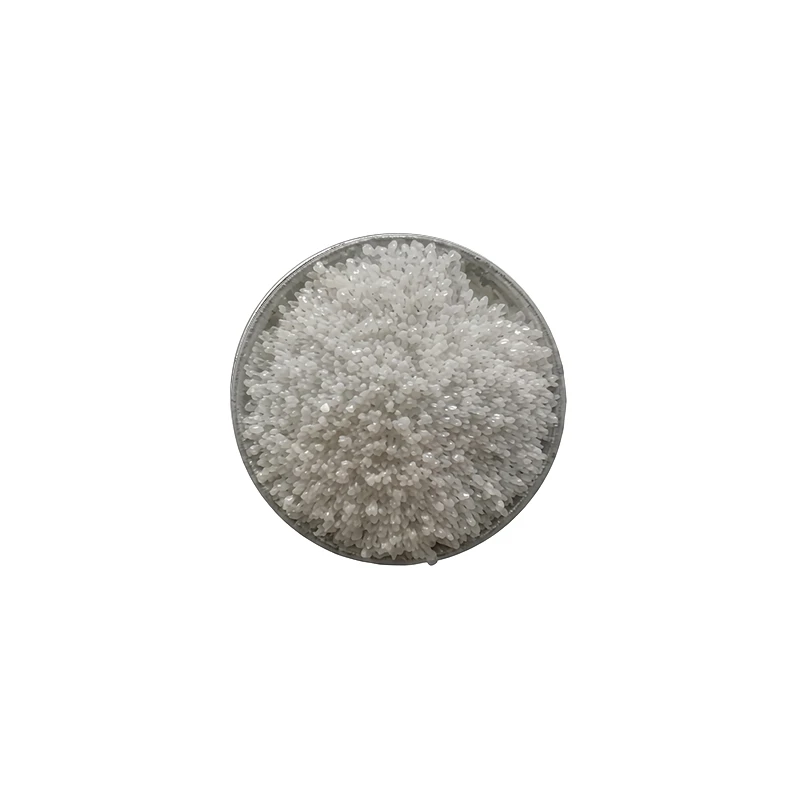
Polycarbonate compounding in this product refers to a flame-retardant PC/ABS modified material designed to combine flame resistance, mechanical performance, electrical application requirements, and injection molding processability.
The typical grade is PC/ABS 206FR. Applications listed in the supplied information include automotive parts, communication equipment, electronic components, and photovoltaic-related parts.
Compared with standard PC/ABS materials, this flame-retardant grade is more suitable for housings, internal supports, panels, and related structural components that require a defined flame-retardant level while retaining practical molding performance.
V-0 Performance with Impact and Elongation
PC/ABS 206FR has a typical density of 1.17 g/cm³ and a molding shrinkage range of 0.40%–0.60%.
Its tensile strength at break is 55 MPa, and elongation at break is 85%. Flexural strength reaches 66 MPa, while flexural modulus is 2000 MPa.
The notched Izod impact strength is 45 kJ/m².
Heat deflection temperature is 86°C, and the material reaches a UL-94 V-0 flame-retardant rating.
These properties allow polycarbonate compounding to provide a balance between flame resistance, impact performance, mechanical support, and injection molding requirements for suitable electrical and communication components.
Purchasing Requirements Vary by Industry
Automotive components should be evaluated according to installation position, operating temperature, vibration, and assembly method.
Communication equipment housings often include ventilation openings, snap-fits, screw bosses, and large surfaces. Material selection therefore needs to consider flame-retardant performance, impact resistance, molded appearance, and part dimensions together.
For electronic or photovoltaic-related components, buyers should clearly define the actual electrical and environmental requirements of the finished part.
During inquiry, useful information includes product application, target flame-retardant level, wall thickness, overall dimensions, color requirements, and injection molding equipment.
Sample molding can then be used to evaluate filling, shrinkage, assembly performance, and the required flame-retardant characteristics before volume purchasing.
Customized Material and Process Support
Changshu Diyou New Material Technology Co., Ltd. focuses on modified plastics including flame-retardant, reinforced, impact-modified, weather-resistant, antistatic, and conductive material systems.
For flame-retardant PC/ABS, the technical team can support material formulation, mechanical property matching, injection flow, and molded-part structure.
The production base includes raw material handling, twin-screw extrusion, injection molding, and performance testing. Quality management covers research and development, purchasing, production, inspection, and after-sales activities.
For customized and batch purchasing projects, support can include sample trials, property confirmation, process optimization, and problem tracking.
This allows buyers using polycarbonate compounding to evaluate the relationship between flame-retardant requirements and molding efficiency based on the actual finished product rather than relying on a single material parameter.
Product Specifications
|
Parameter |
Specification |
|
Material / Typical Grade |
Flame Retardant PC/ABS Blend, PC/ABS 206FR |
|
Flame Retardant Rating |
UL-94 V-0 |
|
Molding Shrinkage |
0.40%–0.60% |
|
Notched Izod Impact Strength |
45 kJ/m² |
|
Heat Deflection Temperature |
86°C |
Hot Tags: polycarbonate compound, China polycarbonate compound manufacturers, suppliers, factory