Flame-Retardant PC/PBT for Stress-Sensitive Structures
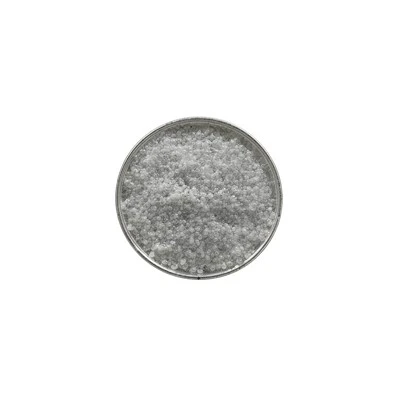
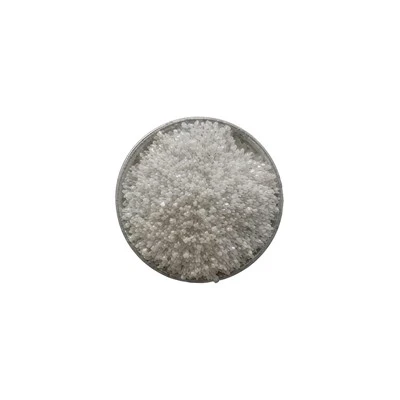
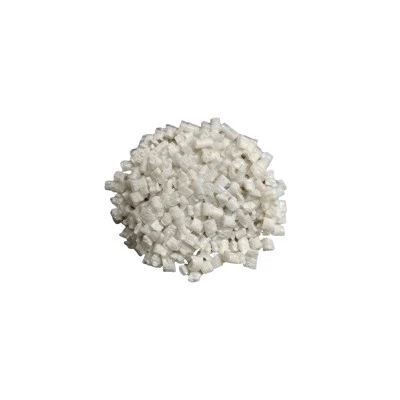
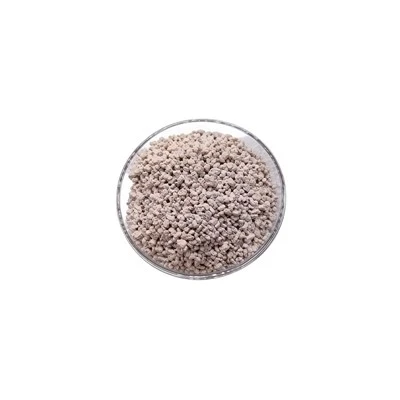
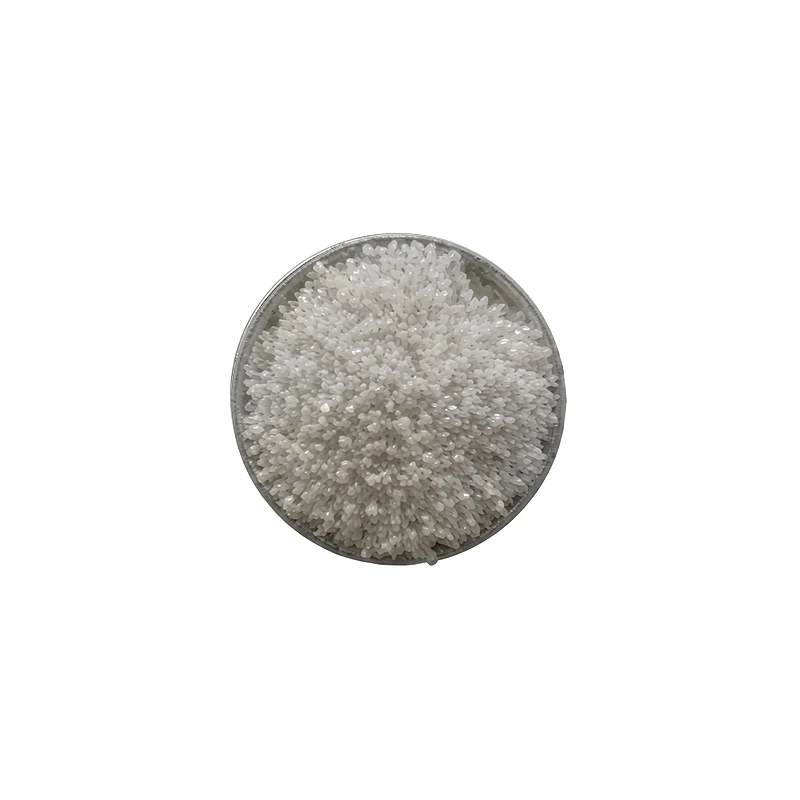
Flame Retardant Polycarbonate PBT Blend is a modified engineering plastic based on a PC/PBT alloy system. It is designed for applications that require flame resistance, useful mechanical properties, and improved resistance to stress cracking.
By combining PC and PBT, the material provides a practical balance of structural strength, impact performance, and injection molding capability. It can be used for automotive components, electronic and electrical parts, industrial structural components, and photovoltaic-related parts.
The material is especially relevant to molded products containing snap-fits, screw bosses, reinforcing ribs, or other complex assembly features. These areas can experience concentrated stress during molding and assembly, so both mechanical performance and structural design should be considered during material selection.
Mechanical Performance and V-0 Rating
The typical density of this flame-retardant PC/PBT alloy is 1.30 g/cm³. Molding shrinkage is 0.50%–0.70%, giving buyers a defined range to consider when matching the material with mold dimensions and finished-part tolerances.
Tensile strength at break is 62 MPa, while elongation at break reaches 70%. Flexural strength is 70 MPa, and flexural modulus is 2100 MPa.
Notched Izod impact strength is 54 kJ/m². The material also reaches a UL-94 V-0 flame-retardant rating.
The relatively high elongation and impact strength help Flame Retardant Polycarbonate PBT Blend withstand assembly impact and localized stress while maintaining the required flame-retardant performance.
Evaluate Stress Areas Before Batch Production
Automotive parts can experience vibration, assembly loads, and complex structural stress. Electronic and electrical components may require flame resistance, insulating structures, and controlled assembly dimensions. Photovoltaic-related parts should also be selected according to their installation environment and long-term mechanical loading conditions.
Before volume purchasing, buyers should define wall thickness, operating temperature, target flame-retardant rating, assembly method, and existing injection molding conditions.
For components with obvious stress concentration, particular attention should be paid to corners, snap-fit roots, and screw boss areas.
Sample molding can be used to examine dimensional behavior and the condition of stress-sensitive structures before a grade is approved for continuous production.
PC/PBT Modification and Application Support
Changshu Diyou New Material Technology Co., Ltd. has modification and production capabilities for PC, PBT, and other engineering plastics.
For flame-retardant PC/PBT materials, the technical team can support formulation and process optimization around the flame-retardant system, mechanical properties, and injection molding flow.
The production base includes raw material handling, twin-screw extrusion modification, injection molding, and performance testing. Technical support can therefore extend from material selection to actual molded-part verification.
Production and quality management follow an ISO 9001 quality management system. For customized, sample-trial, and continuous purchasing projects involving Flame Retardant Polycarbonate PBT Blend, raw materials, processing conditions, and finished-product inspection can be managed with traceable quality controls.
Product Specifications
|
Parameter |
Specification |
|
Material Type |
Flame Retardant PC/PBT Blend |
|
Density |
1.30 g/cm³ |
|
Molding Shrinkage |
0.50%–0.70% |
|
Notched Izod Impact Strength |
54 kJ/m² |
|
Flame Retardant Rating |
UL-94 V-0 |
Hot Tags: flame retardant polycarbonate pbt blend, China flame retardant polycarbonate pbt blend manufacturers, suppliers, factory