Reinforced PA66 for Precision-Oriented Structural Parts
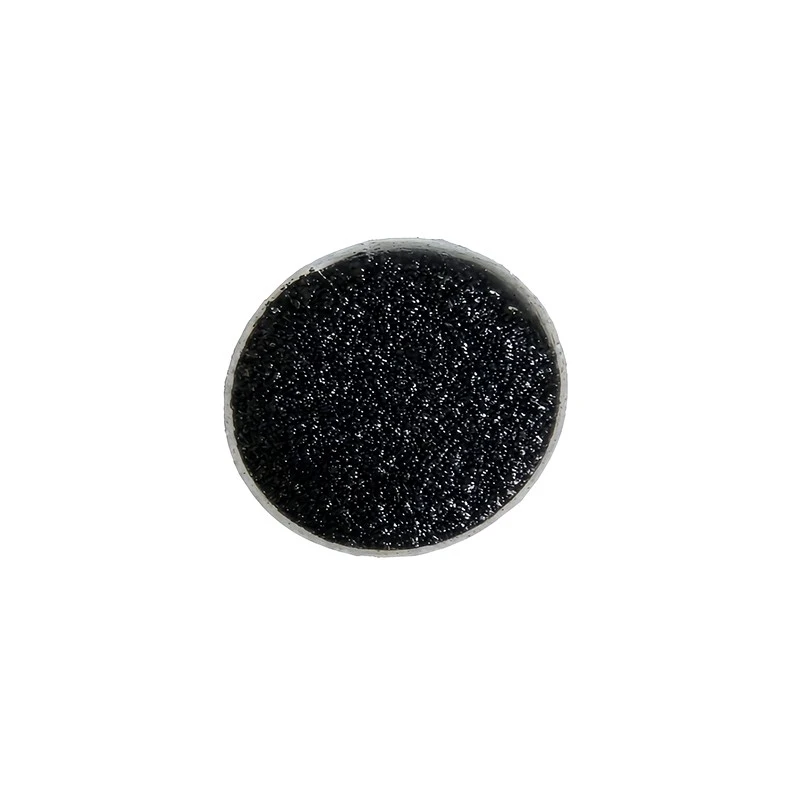
Dimensionally Stable Reinforced Nylon Compound is based on reinforced PA66 and is intended for components that require mechanical strength, heat resistance, and better retention of molded dimensions.
Its main purchasing value lies in reducing the tendency of structural parts to experience noticeable deformation during molding, assembly, or heated service conditions.
Typical applications include automotive exhaust pipe brackets and plastic fuel tank bottom housings. The material can also be used for plastic fuel tank-related parts, air-conditioning outlets, and other structures where assembly accuracy is important.
This makes the material relevant to components where dimensional control cannot be separated from thermal and mechanical performance.
Mechanical and Thermal Range for Grade Matching
The reinforced series has a typical density of 1.35–1.36 g/cm³ and a molding shrinkage range of 0.25%–0.50%.
Tensile strength at break ranges from 130 to 190 MPa. Flexural strength is 162–220 MPa, and flexural modulus ranges from 6400 to 8900 MPa.
Notched Izod impact strength is 14–16 kJ/m².
Under a load of 1.82 MPa, the heat deflection temperature is 190–215°C.
These ranges allow buyers to select Dimensionally Stable Reinforced Nylon Compound according to the load, thermal environment, and dimensional tolerance of the actual component rather than expecting one reinforced grade to cover every structural application.
Mold Design and Processing Also Affect Final Dimensions
Material performance is only one factor in dimensional stability.
Automotive exhaust pipe brackets should be evaluated for their ability to maintain structure after continued exposure to heat. Plastic fuel tank bottom housings need to balance load-bearing capacity, wall thickness, and assembly dimensions.
Air-conditioning outlet structures may require additional attention to warpage and molded surface condition.
During purchasing and mold trials, buyers should consider part length-to-width ratio, wall thickness variation, gate location, cooling time, and mold temperature.
Actual molded-part measurements can then be used to determine whether the material grade or injection conditions need adjustment. This creates a more practical selection process for precision-oriented parts.
Material Development with Injection Verification
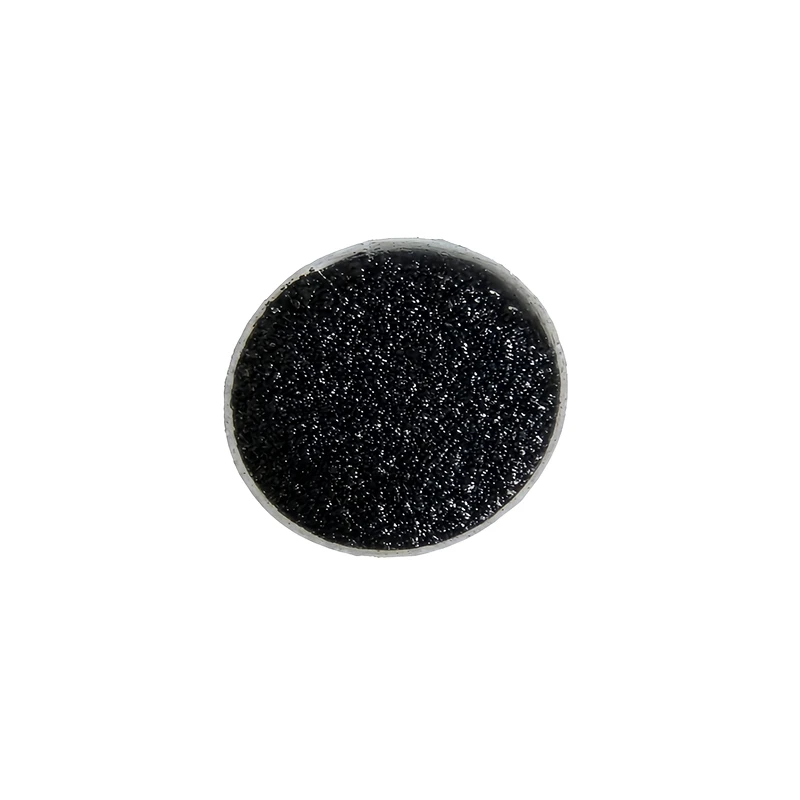
Diyou New Material has supporting capabilities in material development, extrusion modification, mold development, injection molding, and performance testing.
For dimensionally stable reinforced PA66, the technical team can use customer drawings and operating temperatures to match mechanical strength, heat deflection temperature, and molding shrinkage.
Injection verification can also be used to observe warpage and final assembly dimensions.
Production and quality teams manage raw materials, extrusion parameters, pellet condition, and finished-product performance through standardized procedures.
For long-term projects using Dimensionally Stable Reinforced Nylon Compound, this supports batch control, technical communication, and later material or processing adjustments when part dimensions or operating conditions change.
Product Specifications
|
Parameter |
Specification |
|
Material Type |
Dimensionally Stable Reinforced PA66 |
|
Molding Shrinkage |
0.25%–0.50% |
|
Flexural Strength |
162–220 MPa |
|
Flexural Modulus |
6400–8900 MPa |
|
Heat Deflection Temperature at 1.82 MPa |
190–215°C |
Hot Tags: dimensionally stable reinforced nylon compound, China dimensionally stable reinforced nylon compound manufacturers, suppliers, factory