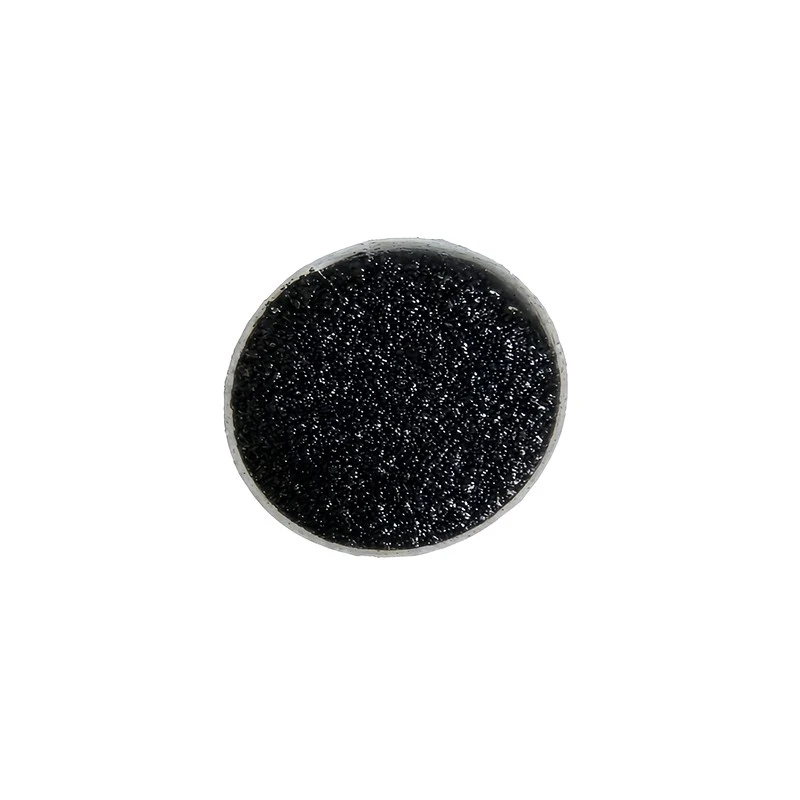
Reinforced PA6 for Automotive Injection-Molded Parts
For automotive parts that require mechanical strength, rigidity, heat resistance, and controlled dimensions, nylon pellets for injection molding provide a reinforced PA6 material option.
The material has good mechanical strength and heat resistance while also supporting a good injection-molded appearance. It can be used for automotive components and may also be selected for power tools and mechanical parts where load-bearing capacity and dimensional stability are important.
Typical applications include plastic fuel tank-related components, air-conditioning outlets, and other automotive structural parts.
Compared with general-purpose nylon, reinforced PA6 is more suitable for components that must resist bending deformation, assembly loads, or the influence of elevated temperatures during use.
Mechanical Performance Across Reinforced Grades
The reinforced series has a typical density of 1.35–1.36 g/cm³ and a molding shrinkage range of 0.25%–0.50%.
Depending on the selected grade, tensile strength at break ranges from 130 to 190 MPa. Flexural strength ranges from 162 to 220 MPa, while flexural modulus is 6400–8900 MPa.
Notched Izod impact strength is 14–16 kJ/m².
Under a load of 1.82 MPa, heat deflection temperature ranges from 190°C to 215°C. These performance ranges allow nylon pellets for injection molding to be selected according to the specific load, operating temperature, wall thickness, and dimensional tolerance of an automotive component.
Evaluate the Actual Automotive Part Before Grade Selection
Different automotive parts place different demands on reinforced nylon.
Plastic fuel tank-related components may require attention to dimensional stability, mechanical strength, and assembly fit. Air-conditioning outlet structures need to balance surface condition, rigidity, and dimensional consistency of blades or frames.
For structural parts located closer to heat sources, heat deflection temperature should become a more important material selection parameter.
Before volume purchasing, buyers can provide product drawings, assembly methods, working temperatures, loading directions, and appearance requirements.
Trial molding can then be used to observe melt filling, shrinkage, glass-fiber orientation, and warpage. This provides more useful information than selecting a material based only on a general strength range.
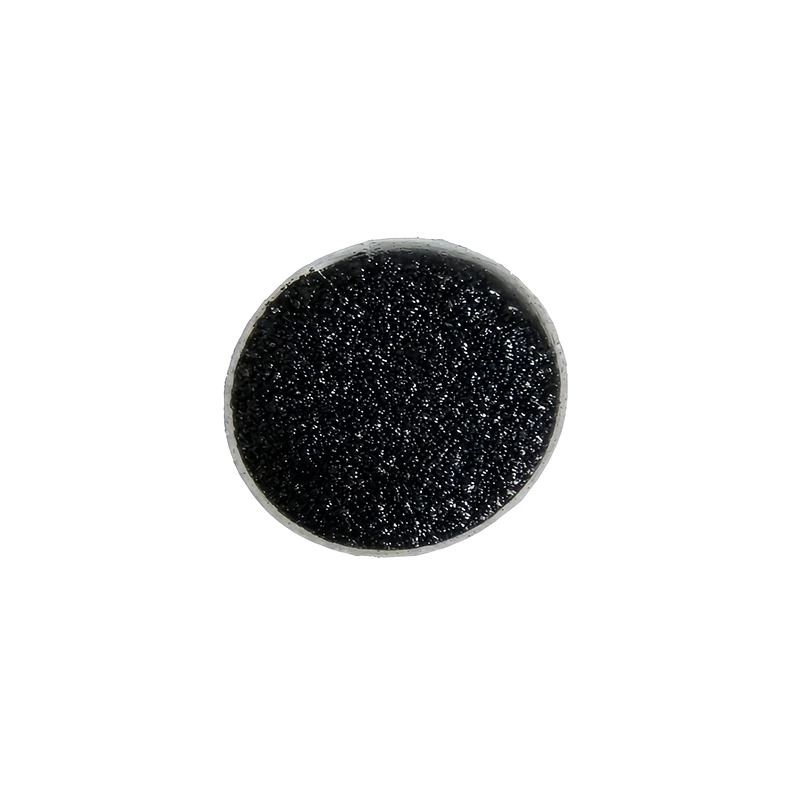
Automotive Material Support from Pellets to Molding
Diyou New Material has long-term technical experience in polymer modification. Its production base in Changshu, Jiangsu includes raw material handling, twin-screw extrusion, injection molding, and performance testing.
For automotive reinforced PA6, the technical team can support material selection, formulation adjustment, and injection process optimization according to the structure and target performance of the molded part.
Technical support can extend from pellet performance to actual molding verification. Meanwhile, the quality team manages raw materials, production processes, and finished-product inspection.
For customers evaluating nylon pellets for injection molding, this allows material discussions to include both laboratory parameters and actual part performance during sample trials, batch purchasing, and later product modifications.
Product Specifications
|
Parameter |
Specification |
|
Material Type |
Automotive Grade Reinforced PA6 |
|
Typical Density |
1.35–1.36 g/cm³ |
|
Tensile Strength at Break |
130–190 MPa |
|
Flexural Modulus |
6400–8900 MPa |
|
Heat Deflection Temperature at 1.82 MPa |
190–215°C |
Hot Tags: nylon pellets for injection molding, China nylon pellets for injection molding manufacturers, suppliers, factory